Blog / Articles

Surface Protection for Dry Bulk Material Handling with Hard Chrome and Electroless Nickel Plating

Surface Protection for Dry Bulk Material Handling with Hard Chrome and Electroless Nickel Plating

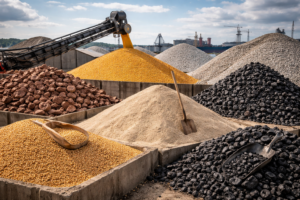
Dry bulk material handling processes high volume particles of various sizes, it places a great amount of stress on the machines and wears away at the surface of the hydraulic rods.
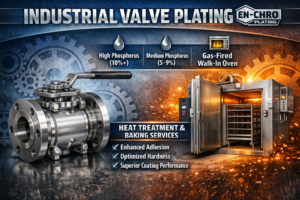
industrial valve plating

Industrial Valve Plating

In industrial valve plating, both hard chrome plating and electroless nickel plating are used to improve wear resistance and corrosion protection. However, some customers ask if there is a difference between the two applications.
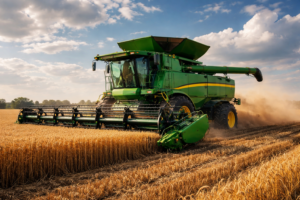
Hard Chrome Plating in Agriculture Extending Equipment Life

Hard Chrome Plating in Agriculture: Extending Equipment Life

At EN-CHRO Plating, we know that hard chrome plating in agriculture is the right solution for durability, performance and lower lifecycle costs. Our goal is to help farmers keep their equipment in peak condition.
enchro plating

Want a Nickel Plating or Hard Chrome Plating Site Visit?

A nickel plating or hard chrome plating site visit includes both a collaborative discussion to understand the prospective or existing customer’s audit priorities and a structured walkthrough that highlights key areas asked of us from prior customer visits and their expectations.
optimism in manufacturing

Optimism Is Rising in Manufacturing—and Experience Makes the Difference

Optimism in the manufacturing industry continues to rise according to the Chief Executive’s December 2025 CEO Confidence Index survey. Each month, the publication polls executives to understand where they believe the industry as well as their business is going. Reporting on the last couple of months, the direction is up. Manufacturing Industry Optimism For the […]
rail car brakes

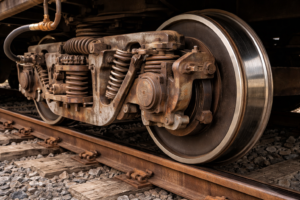
Electroless Nickel Plating for Rail Braking Components Extends Service Life in Demanding Conditions

The rail industry requires brakes that are reliable and safe in order to keep trains running consistently while controlling costs. That’s because brake components deal with a lot; from extreme temperatures and weather conditions, pressure from the weight of the rail cars to the exposure of contaminants.