





Your Trusted Partner
In Hard Chrome & Electroless Nickel Plating
THINK EN-CHRO
We have been helping engineers find solutions to surface coating challenges for over 40 years.
THINK EN-CHRO
We have been helping engineers find solutions to surface coating challenges for over 40 years.
EN-CHRO SERVES
Every Industry
Looking for a chrome plating partner you can trust? At EN-CHRO, we believe it comes down to three things: our smart engineering, personalized customer service, and centralized location. That's why we're confident we're the best option for you.
We're ready to help with your toughest plating challenges. Reach out with your questions today.
How Electroless Nickel Plating in the Food Industry Prevents Equipment Failures
Electroless nickel plating in the food industry protects processing equipment by depositing a uniform, FDA compliant, corrosion and wear resistant coating over complex shaped parts including bores, threads, and recesses. For food plants, this means fewer unplanned downtime, and longer component life.
Cylinder Finishing Repair in the Construction Industry Keeps Heavy Machinery Running
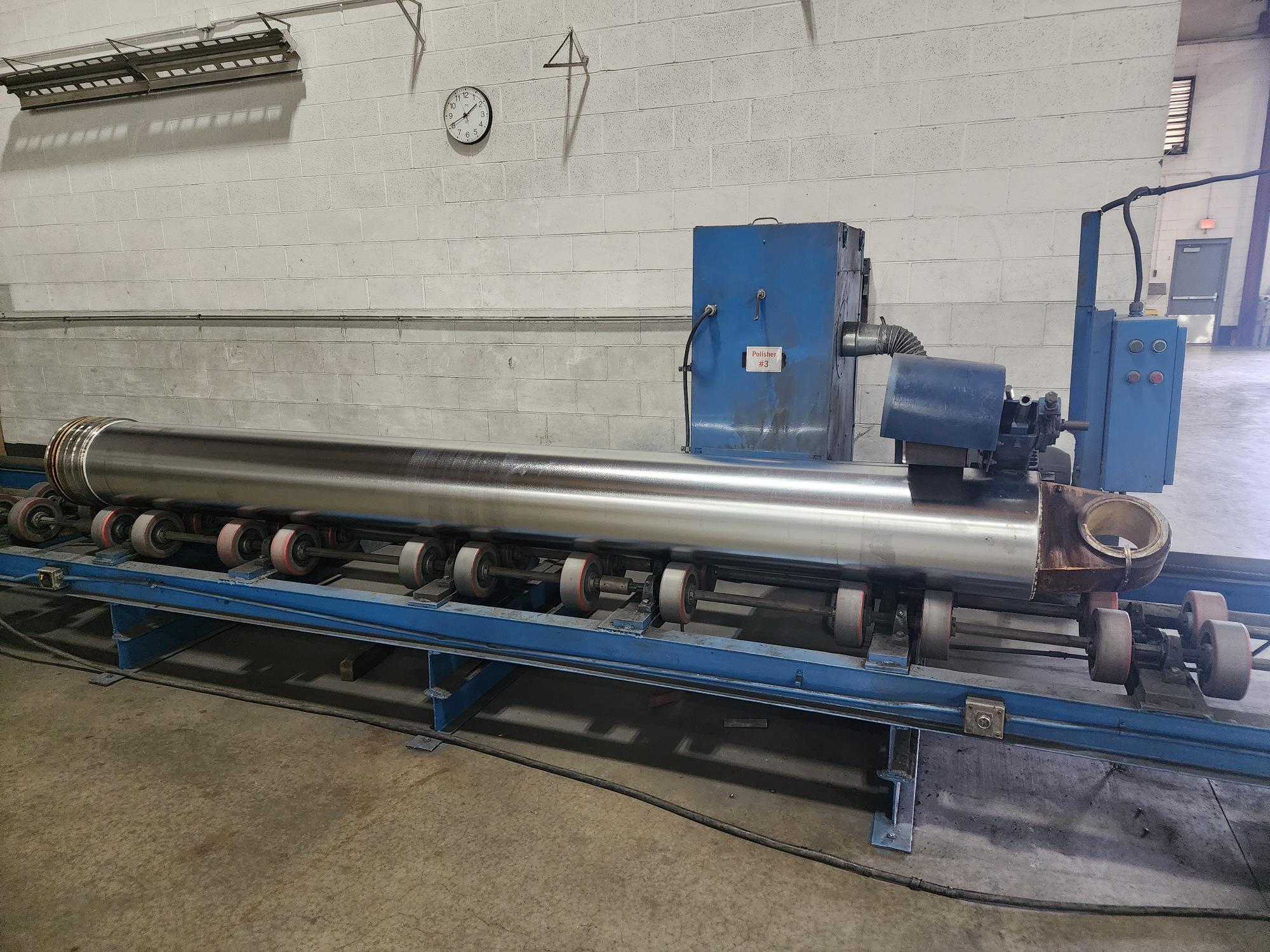
Cylinder finishing repair is the process of removing any surface coating, repairing any imperfections, grinding, re-plating and polishing to its original tolerances and specifications. The process saves money and timed by reusing what you have instead of purchasing new.
Plating Automotive Piston Rods for Long Term Durability
Depending on the application, hard chrome plating or electroless nickel plating adds that special hardening and corrosion resistance automotive piston rods need.
Hard Chrome Plating for Long Cylindrical Components
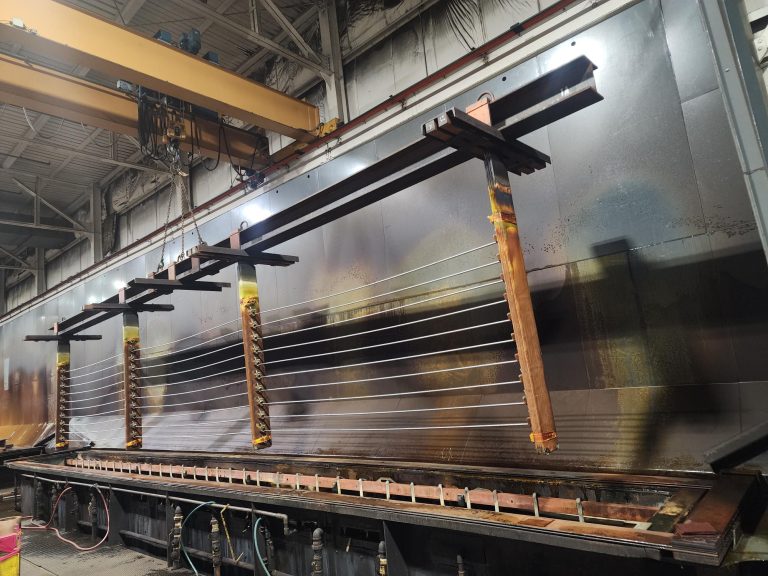
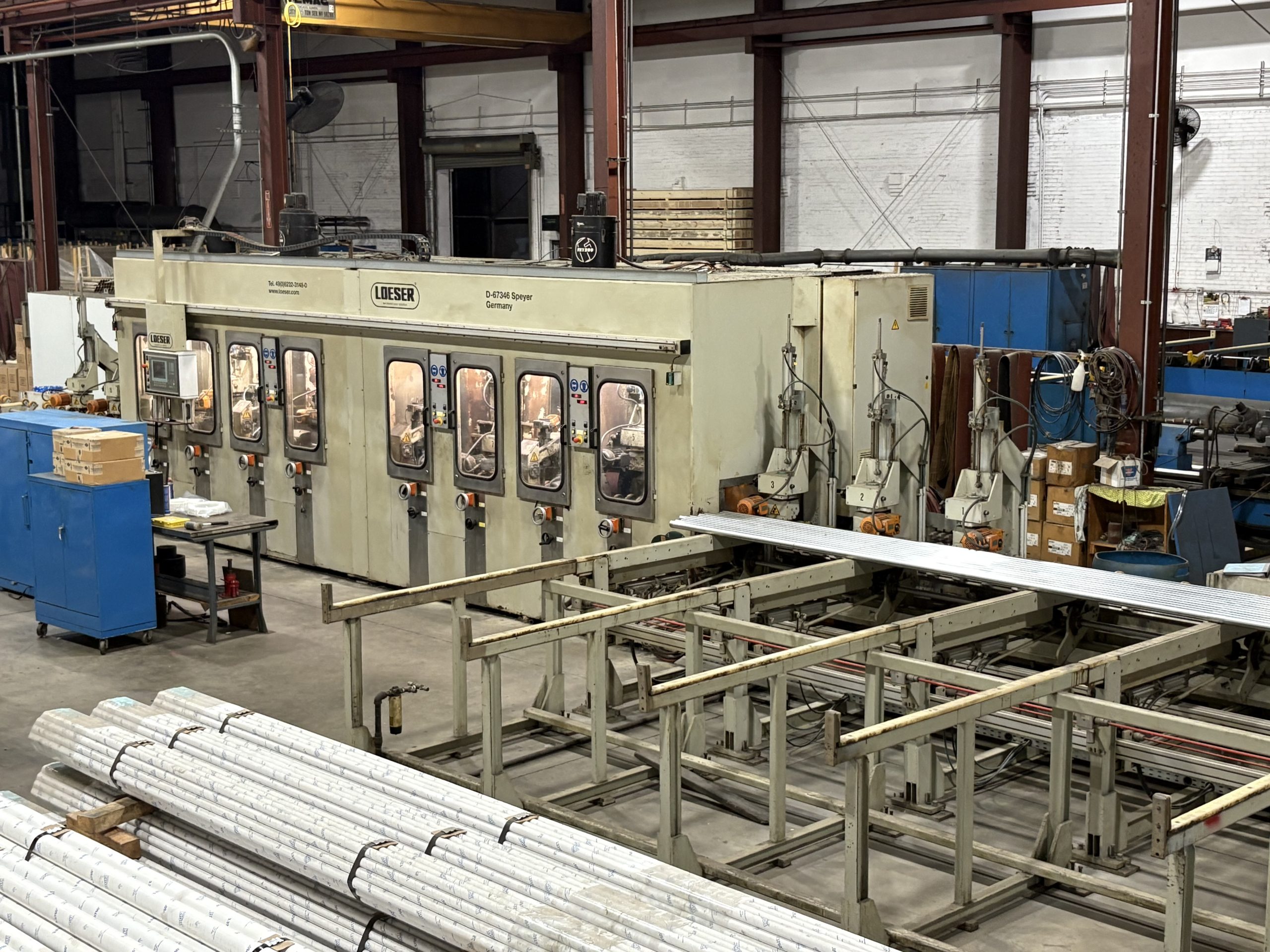
EN-CHRO Plating's tanks can handle parts up to 39 ft long with diameters between 3 and 8 in. Accommodates various diameters up to 30 ft long, applying chrome layers from .001" to .010" or more at 68-72 RC hardness.
Hard Chrome and Electroless Nickel Plating for Oil and Gas: The Parts That Can’t Afford to Fail
Piston rods go through thousands of cycles per day. Ball valves are constantly exposed to hydrogen sulfide and saltwater.